

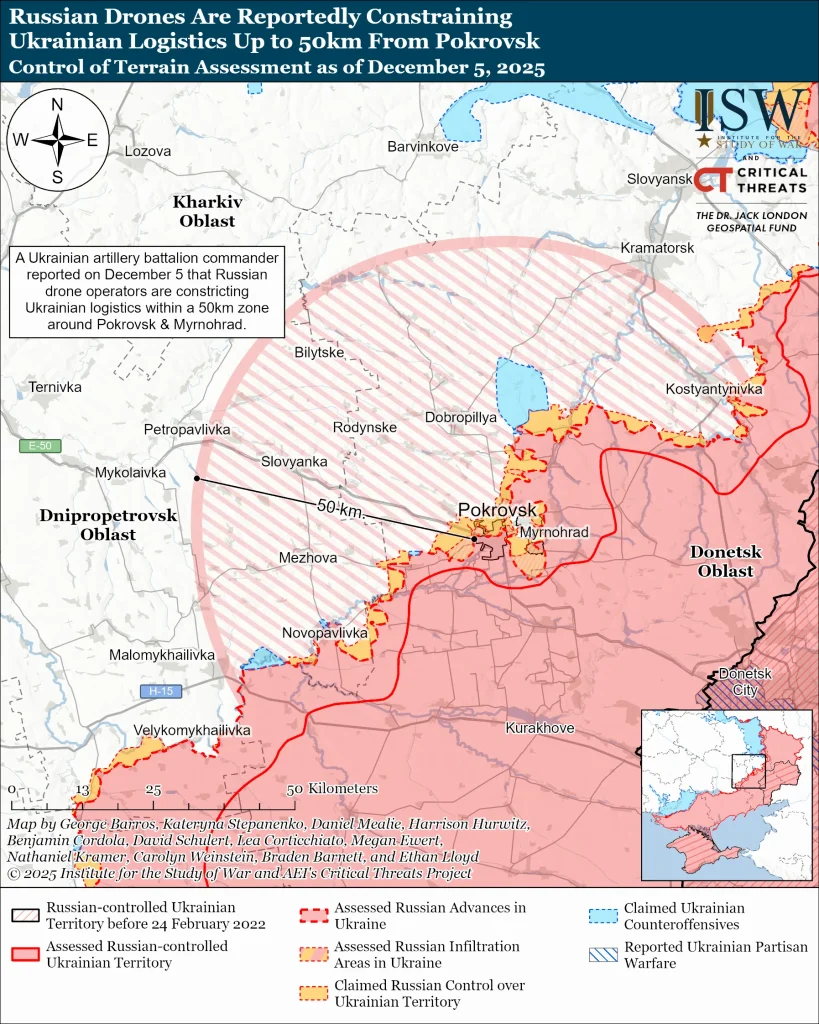
Russia has initiated one of its largest offensive operations against Ukraine just before scheduled peace talks, escalating the ongoing conflict with significant military pressure. This recent wave of attacks targets key civilian infrastructure and energy networks, severely impacting the population amidst one of the harshest winters in recent memory. Despite ongoing diplomatic efforts, the timing and scale of this escalation highlight the complexity of the war and its heavy toll on the economic and humanitarian landscape in the region.
In Brief:
- Russia launched a massive strike with nearly 450 drones and 70 missiles against Ukrainian cities including Kyiv, Kharkiv, Odessa, and Vinnitsa.
- Main targets included residential areas and critical energy infrastructure, aiming to disrupt electricity, heating, and water supply during freezing winter temperatures.
- The offensive comes just before peace talks brokered by the United States, raising questions about Russia’s diplomatic intentions.
- Ukraine calls for increased Western support, especially in air defense systems, to protect civilians and infrastructure.
- Damage to key cultural sites, like the WWII National History Museum in Kyiv, symbolizes the symbolic and strategic dimensions of the conflict.
Major Russian Offensive Targets Ukraine’s Civilian and Energy Infrastructure Before Peace Negotiations
The night from Monday to Tuesday marked one of the most significant escalations since the start of the invasion. The Russian military deployed a combined assault involving almost 450 drones and 70 missiles, focusing heavily on densely populated urban centers and essential energy facilities. Such a large-scale use of military assets demonstrates a strategic intent to weaken Ukraine’s civilian resilience, especially as temperatures plunge below -20 °C, making access to electricity and heating critical for survival.
The Ukrainian government reported at least 10 injuries during this offensive, with Kyiv seeing damage to residential buildings, a kindergarten, and even a gas station. Vitali Klitschko, Kyiv’s mayor, informed authorities that the resulting outages left over 1,170 buildings without heating, severely hampering repair efforts and placing enormous pressure on municipal resources.
Energy company DTEK, the largest private energy operator in Ukraine, was hit for the ninth time since October, with attacks on thermal power plants designed to sabotage the country’s capacity to provide heat and electricity throughout winter. This systematic targeting of infrastructure illustrates a repeated pattern aimed at undermining civilian morale and forcing political concessions.

The Strategic Impact of Attacking Energy Infrastructure in Wartime
By focusing on the destruction of energy networks, Russia pursues a strategy designed to impair critical services. The destruction of transformers, substations, and turbines not only disrupts daily life but also impairs industrial activity and economic stability. For traders and investors monitoring the global economic ripples of the conflict, such actions exacerbate uncertainties, influencing energy prices, supply chains, and regional financial markets.
This tactic reflects a broader pattern within the conflict where military operations intersect with economic warfare, amplifying the human and financial costs. Ukraine’s leadership has repeatedly called for increased defensive aid from Western allies, underlining the ongoing need for sophisticated air defense systems to counter continued drone and missile assaults.
Diplomatic Challenges Amidst Escalating Military Actions and Peace Talks
Despite the heightened offensive, diplomatic negotiations have continued. Recent talks facilitated by the United States and scheduled for Abu Dhabi underscore a persistent, if fragile, pursuit of peaceful resolution. However, the timing of Russia’s military escalation suggests a complex interplay between diplomatic dialogue and military strategy.
Ukraine maintains firm positions against Russia’s territorial demands, particularly over regions currently under Moscow’s occupation. While both sides have acknowledged constructive exchanges, achieving a breakthrough remains elusive after more than a year of negotiation efforts. The international community looks on, recognizing that the resolution of the conflict will dictate regional stability and have wide-ranging implications for the global economy.
Further insights into the evolving diplomatic landscape can be explored through detailed reports on the ongoing Washington-facilitated Ukraine-Russia peace talks, which provide valuable context on the complexities involved in bridging opposing demands.
Economic and Humanitarian Implications of the War’s Escalation
The offensive’s timing, just before the crucial peace talks, is symbolic of the high stakes influencing the military and political strategies of both Russia and Ukraine. The ongoing conflict continues to affect not only regional security dynamics but also global energy markets, investment flows, and economic forecasts, particularly in sectors tied to energy and raw materials.
For traders and investors, monitoring such military escalations alongside diplomatic developments remains imperative for anticipating market volatility and geopolitical risk. The war’s course is directly tied to broader economic stability, making it essential to understand both the immediate and long-term effects of these major offensives.
As the conflict persists, Ukraine’s military gains in reclaiming territory offer a counterbalance to the pressure, highlighting the fluidity of the situation and the ongoing contest between militarized conflict and diplomatic efforts.