

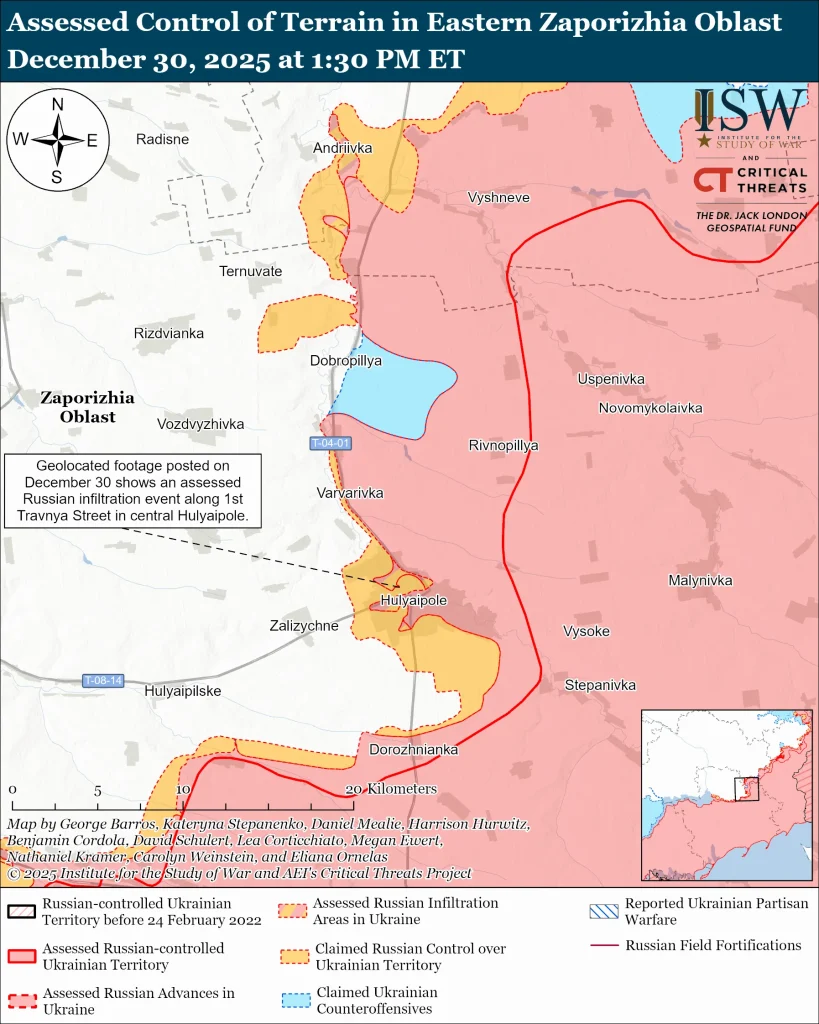
Ukrainian forces have reclaimed approximately 435 square kilometers of territory in the southern region amidst the ongoing conflict with Russia. This significant territorial gain, announced by Ukrainian President Volodymyr Zelensky on March 8, demonstrates a strategic shift in the war effort as Ukraine advances to disrupt Russian military operations ahead of a potentially intensified offensive this spring. Despite the conflict entering its fifth year, the situation remains fluid, with Ukraine aiming to regain control over key eastern regions, including Donetsk and Luhansk, where Russian objectives are still focused.
In brief: Ukrainian military operations have successfully reclaimed substantial territory totaling 435 km², signaling increased defensive and offensive momentum. Russia currently occupies about 20% of Ukraine’s land, with a significant portion under control since 2014. Ukraine’s strategic maneuvers in southern regions aim to destabilize Russian plans before a feared spring offensive. Diplomatic negotiations regarding territorial disputes remain a critical challenge. Optimism among Ukrainian forces is higher than at the end of 2025, though caution persists.
Strategic Military Advances Highlight Ukraine’s Reclamation of Territory Amid Ongoing War
Recent developments on the battlefield indicate a notable Ukrainian military advance, with around 435 square kilometers of southern territory reclaimed from Russian control over the past month and a half. President Zelensky emphasized that these gains stem from a series of crucial defensive and localized offensive operations designed to disrupt Russian military planning. These tactical moves carry implications beyond immediate territorial control, impacting the broader strategic landscape of Eastern Europe’s conflict dynamics.
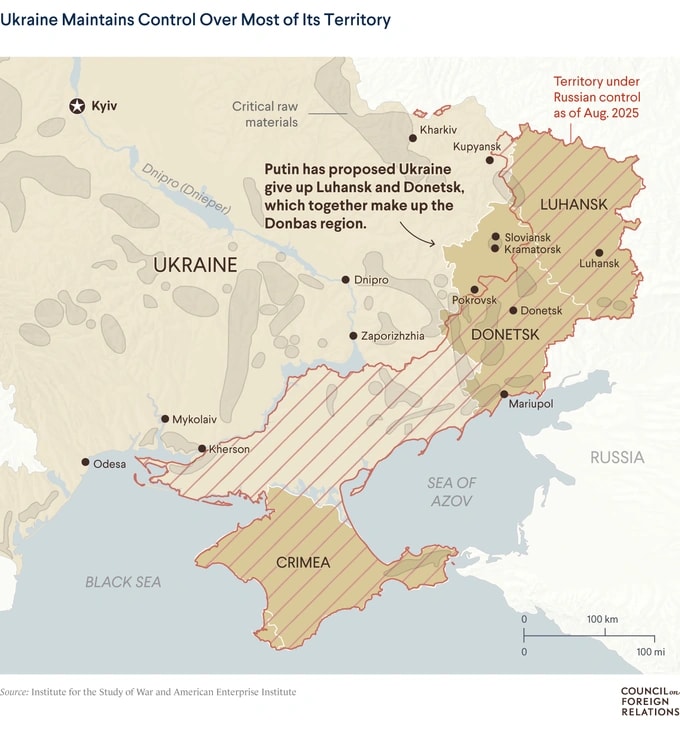
The progress made contributes to shifting power balances on the ground, in a war that has seen fluctuating control since 2014. Russian occupation currently constitutes roughly 20% of Ukraine’s geographic area. It is important to note that much of this territory has been contested since the initial 2014 conflict escalation. The latest gains by Ukrainian forces thus reflect not only battlefield success but also serve to strengthen Ukraine’s bargaining position in ongoing international peace and negotiation efforts, as highlighted in recent analysis on Ukraine war Europe negotiations.
Impact of Territorial Gains on Ukraine’s Economic and Geopolitical Stability
Regaining control of additional territory does not merely represent a military achievement but also carries significant economic and geopolitical consequences. Control of land affects access to resources, infrastructure, and population centers, all vital for Ukraine’s economic resilience amidst ongoing conflict pressures. For traders and economists, these developments underscore the fragile interplay between war dynamics and market stability in Eastern Europe.
Moreover, the successful defensive and offensive actions in southern Ukraine could alter market perceptions regarding regional security risks, influencing commodity prices and investment patterns. As evidenced by analyses such as those focusing on Ukraine war oil prices, military shifts directly impact energy markets—an area of keen interest for investors tracking global economic stability.
Continued Challenges as Russian Objectives Remain Focused on Eastern Ukraine
Despite Ukrainian military successes, President Zelensky underscores that Russian ambitions remain steadfastly directed towards consolidating control in Ukraine’s eastern regions. The Donetsk and Luhansk areas, critical in the broader conflict narrative, continue to be the focal points of Russian territorial aspirations. Although Ukrainian forces have delayed these plans through recent operations, the risk of renewed offensive actions remains high.
This protracted conflict scenario presents ongoing challenges for diplomatic negotiations, with territorial disputes at the core of the impasse. The geopolitical complexity is further illustrated by the involvement of international actors in push efforts to broker peace, as seen in discussions supported by the United States and European partners. The evolving situation calls for sustained monitoring, essential for understanding the broader implications on global security and economic trends.
Macro-Economic Outlook: War’s Influence on Investment and Global Markets
For those engaged in trading and investment, the conflict’s trajectory in Ukraine is a critical factor shaping market volatility and economic forecasts. Territorial reclamation by Ukrainian forces may signal a tactical advantage with potential to stabilize certain markets, but the unpredictability of prolonged conflict continues to impose risks.
The intersection of military developments and economic outcomes emphasizes the need for informed, agile strategies among traders. Understanding the nuances of how front-line shifts influence commodities, energy prices, and geopolitical alliances is essential for effective decision-making in today’s interconnected global economy.