

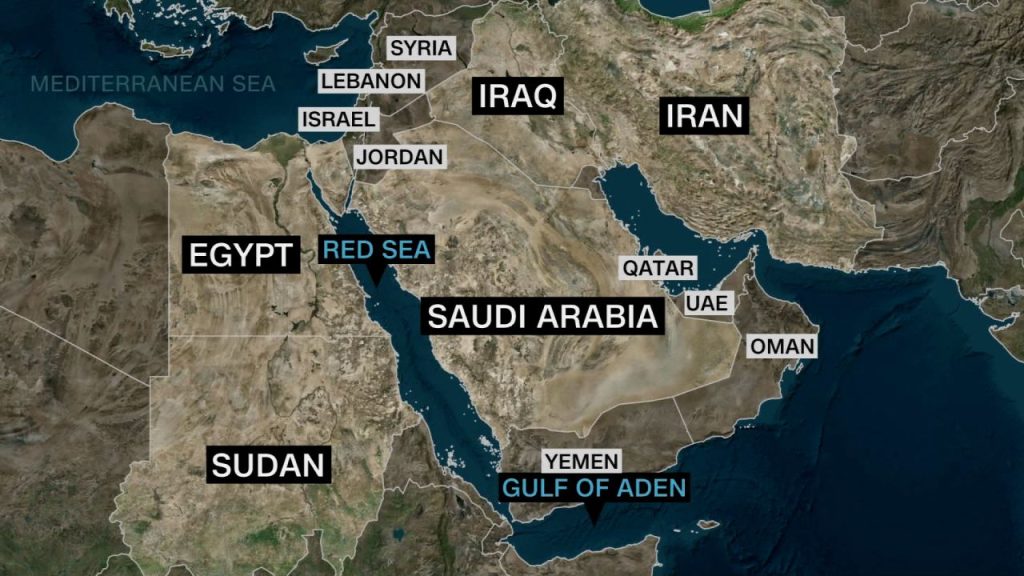
The ongoing conflict in the Middle East has entered its seventh day, with escalating military engagements and diplomatic maneuvers shaping the geopolitical landscape. Recent developments reveal a complex interplay between regional powers and global actors, underscoring the fragility of peace and the volatility of security in the region. Strikes in Iran and Lebanon, alongside missile interceptions by Saudi Arabia and Qatar, illustrate the expanding theatres of confrontation. Meanwhile, declarations from various factions, including Hezbollah, the Iranian Revolutionary Guard, and Yemeni Houthi rebels, heighten tensions further. The strategic significance of the Strait of Hormuz remains crucial for global trade, despite current navigation disruptions caused by security concerns rather than intentional blockade. The United States continues to assert its influence in the region, both militarily and diplomatically, emphasizing deterrence and containment.
In Brief: The Middle East conflict intensifies with ongoing strikes across Iran, Lebanon, and strategic maritime routes. Diplomatic tensions remain high as key players resist negotiation calls while preparing for possible escalations. The evolving military actions particularly affect global security perceptions and oil markets, highlighting the need for close monitoring of geopolitical developments. Efforts to strengthen missile defense and military postures reflect widespread concerns over regional stability. The future trajectory hinges on the success of upcoming diplomatic negotiations and the management of multifaceted threats.
Middle East Conflict Update: Insights into Escalating Security and Military Strategies
Recent military operations have deeply impacted the Middle East’s volatile environment. Israeli forces have intensified their operations with multiple air strikes targeting southern Lebanon and urban areas near Beirut, aiming to extend their control along the border region. In parallel, Iran has faced significant missile assaults in strategic cities like Shiraz and Tehran, signaling the conflict’s deepening reach. The destruction of over 30 Iranian vessels by U.S. forces, including a “drone carrier,” marks a significant escalation in naval engagement, disclosing the operational dimensions of allied forces countering Tehran’s strategic capabilities. These measures reflect a concerted effort to disrupt Iran’s operational infrastructure and diminish its regional influence.
Despite escalating violence, Iranian officials maintain a firm stance against ground invasions, labeling such efforts as catastrophic for opposing forces. This position underscores the regime’s preparedness to engage in prolonged confrontations and its rejection of current diplomatic overtures, complicating prospects for peaceful resolution. Concurrently, Iranian leadership signals disapproval of specific succession plans within the regime, potentially affecting internal power dynamics amid the conflict. This adds an internal layer to the diplomatic contest, influencing negotiations under international scrutiny.
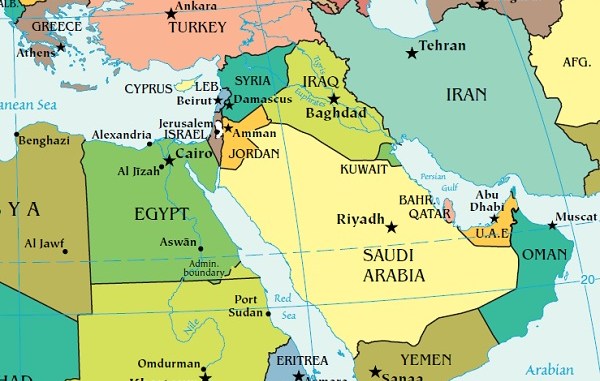
Diplomatic Efforts Amid Rising Tensions: Navigating Complex Peace Talks and Security Challenges
In the midst of heightened conflict, the role of diplomacy is under intense focus. Peace talks face significant hurdles as Iran expressly refuses ceasefire talks or negotiations with the United States, maintaining a hardline posture that influences diplomatic tensions across the globe. The United States and its allies continue to prepare for extended conflict scenarios, as seen in NATO’s bolstering of ballistic missile defenses against potential Iranian indiscriminate missile attacks.
Saudi Arabia and Qatar have demonstrated robust air defense capabilities by successfully intercepting multiple missile and drone attacks aimed at vital military installations, including U.S.-operated bases. These interceptions showcase the advanced military readiness of Gulf states in protecting regional security corridors critical to global trade and energy supplies. These geopolitical dynamics emphasize the need for agile negotiation mechanisms, especially with the evolving stance of regional actors and non-state militias like the Houthis, who have declared readiness to engage militarily if provoked.
Given the multifaceted nature of this conflict, market participants and global economic stakeholders are advised to monitor developments closely. The strategic importance of the Strait of Hormuz remains a key vulnerability in global energy supply chains, while uncertainty surrounding ongoing military operations impacts investor confidence and commodity prices. Insights into current events are vital for traders assessing risk and opportunity amid the current geopolitical upheaval.
Geopolitical Impact and Economic Risks: Understanding the Consequences for Global Markets
The Middle East conflict’s escalation presents immediate and long-term risks for global economic stability. The increased military actions and regional instability threaten oil supply routes, heightening volatility in commodity markets. Economic repercussions extend beyond energy, affecting trade flows and investor sentiment worldwide. Furthermore, the prospect of extended conflict fuels speculation about potential nuclear escalation risks, amplifying uncertainty in financial markets and prompting reassessment of global security strategies.
Financial actors should pay attention to diplomatic developments, especially ongoing efforts related to Tehran-Washington talks and other negotiation channels. A sustained diplomatic impasse risks prolonging conflict and exacerbating economic disruptions. Conversely, progress in negotiations could ease tensions and restore confidence, underscoring the interplay between geopolitics and market dynamics in the current landscape.