


An expected 1% uptick in food prices marks the latest development in ongoing trade negotiations between the major retail distributors and agro-food industrial players. While this increase may seem modest following the exceptional inflation peaks of recent years, emerging geopolitical conflicts, particularly in the Middle East, threaten to reshape the economic landscape and disrupt the delicate balance of food supply chains. This evolving situation warrants close attention for consumers and investors alike, as the cost of living faces new pressures rooted not just in commodity costs but also energy prices and logistical challenges. The interplay between stabilized pricing agreements and uncertain external shocks encapsulates the current market forecast for food prices in 2026.
Key insights:
- Food prices are projected to increase by approximately 1% following recent trade negotiations.
- Geopolitical tensions, notably around Iran, could spark further price surges, especially affecting energy-dependent supply chains.
- The beef sector faces disproportionate inflation, with price increases nearing 7-8%, driven by a declining cattle population.
- Consumers are adapting by shifting purchasing habits toward lower-cost alternatives and private-label products.
- Chocolate prices remain volatile due to historic cocoa price spikes despite recent declines.
- Current trade negotiation frameworks show limits in reacting dynamically to sudden global events.
Understanding the 1% Rise in Food Prices Amid Market Forecasts
Following the latest round of trade negotiations between France’s major retailers and agro-food manufacturers, the average increase in retail food prices is expected to hover around 1%. This restrained growth stems from a concerted effort to avoid repeating the steep inflation spikes witnessed during 2022-2023, which were fueled by soaring energy and cereal prices triggered by the war in Ukraine. While prices have stabilized since then, they remain elevated compared to pre-crisis levels, signaling an ongoing inflationary environment. Industry experts note that these negotiations reflect the traditional annual cycles but increasingly struggle to incorporate emergent economic shocks. Consumers may not perceive this modest price rise immediately, as pricing adjustments often take weeks to filter through retail shelves.
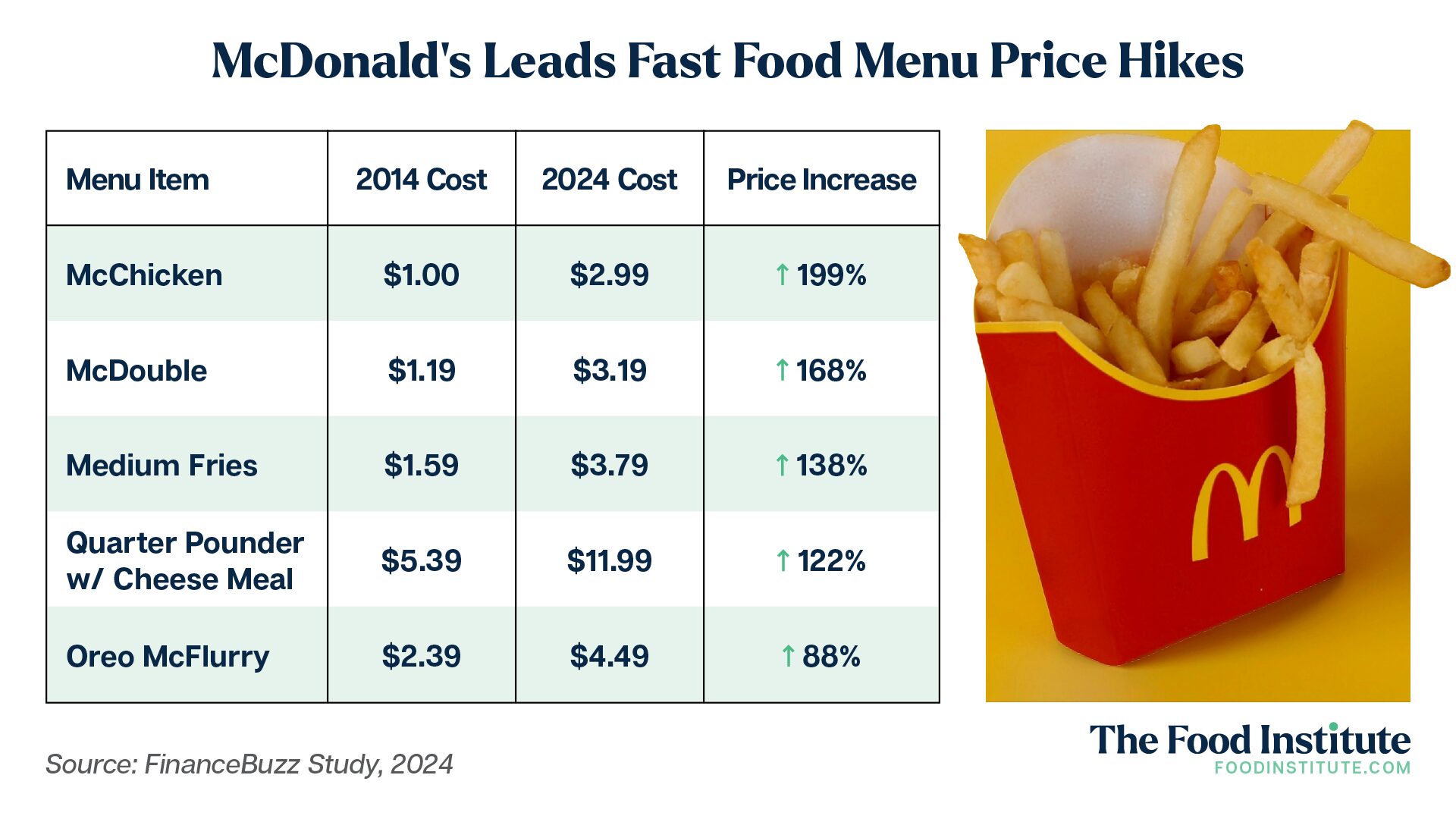
The current economic trends indicate that while the overall inflation pressure on consumer goods remains tempered, several sectors are experiencing sharper cost increases. Notably, the livestock market, especially beef and veal, demonstrates nearly 7-8% price hikes due to agriculture constraints. France’s cattle herd has contracted by about 15% over the past eight years, aggravated by recent sanitary crises that diminished production potential. This limited supply against stable or increasing demand intensifies market pressure, inevitably pushing consumer prices upwards.
Geopolitical Risks and Energy-Driven Inflation Pressure
Compounding these structural issues, the recent conflict escalation in the Middle East introduces new uncertainties that could trigger a price surge across food categories. The primary mechanism here is not a direct hit to agricultural outputs but rather an amplification of energy costs, which profoundly affect supply chain logistics, packaging, and transportation. Historical parallels with the 2022 Ukraine war show how energy price volatility reconfigures food supply and inflation dynamics rapidly. Analysts warn that the current trade frameworks, designed for measured annual adjustments, may prove inadequate to absorb sudden shocks. Calls for more flexible pricing strategies are emerging to help companies and consumers navigate swiftly evolving costs.
As the prospect of elevated energy costs looms, manufacturers are likely to seek tariff revisions, potentially leading to a new wave of inflation. This would necessitate vigilant market monitoring by traders and investors attuned to shifts in both commodity and energy markets influencing the broader cost of living environment.
Shifting Consumer Behavior and Product-Specific Price Pressures
Consumer response to.persistently high prices continues to evolve, with many households tightening budgets and reconfiguring shopping patterns. Recent studies reveal that approximately 21% of French consumers reduce their overall food spending due to financial constraints. Importantly, seven out of ten of these consumers prioritize cutting back on consumer goods perceived as indulgences, such as confectionery items and chocolate. The chocolate sector faces a pronounced challenge: after the cocoa commodity prices surged a year ago, causing tension in negotiations, prices have only recently begun to retreat. Even so, the cost burden embedded in finished chocolate products remains high, leading to possible price increases of up to 25%. In response, some retail chains are already delisting major chocolate brands to manage shelf costs and consumer affordability.
More broadly, shoppers are substituting costlier proteins like beef with poultry or plant-based options, an adaptive strategy mitigating the impact of food price inflation on household budgets. Such consumer shifts have lasting market consequences, as reduced demand for higher-priced goods can permanently reshape purchasing trends, potentially affecting producers’ strategic planning and investment.
Implications for the Food Industry and Trading Strategies
The interplay of supply chain constraints, energy price volatility, and geopolitical developments presents a complex set of challenges ahead. The current rise of inflation in food prices, while moderate in headline terms, masks underlying volatility in specific sectors. Market participants must factor in the potential for rapid readjustments beyond traditional trade negotiation outcomes. This situation underscores the importance of agility in economic trends analysis and the need for proactive risk management in trading strategies.
For retail and manufacturing sectors, the call for revising outdated negotiation mechanisms is clear. Enhancing the flexibility of price adjustments to reflect real-time global disruptions could prevent abrupt shocks from cascading into severe consumer hardship. Investors and traders monitoring the price negotiations and supply dynamics will be better positioned to anticipate market movements and optimize portfolio allocations amid a fluid economic context.