

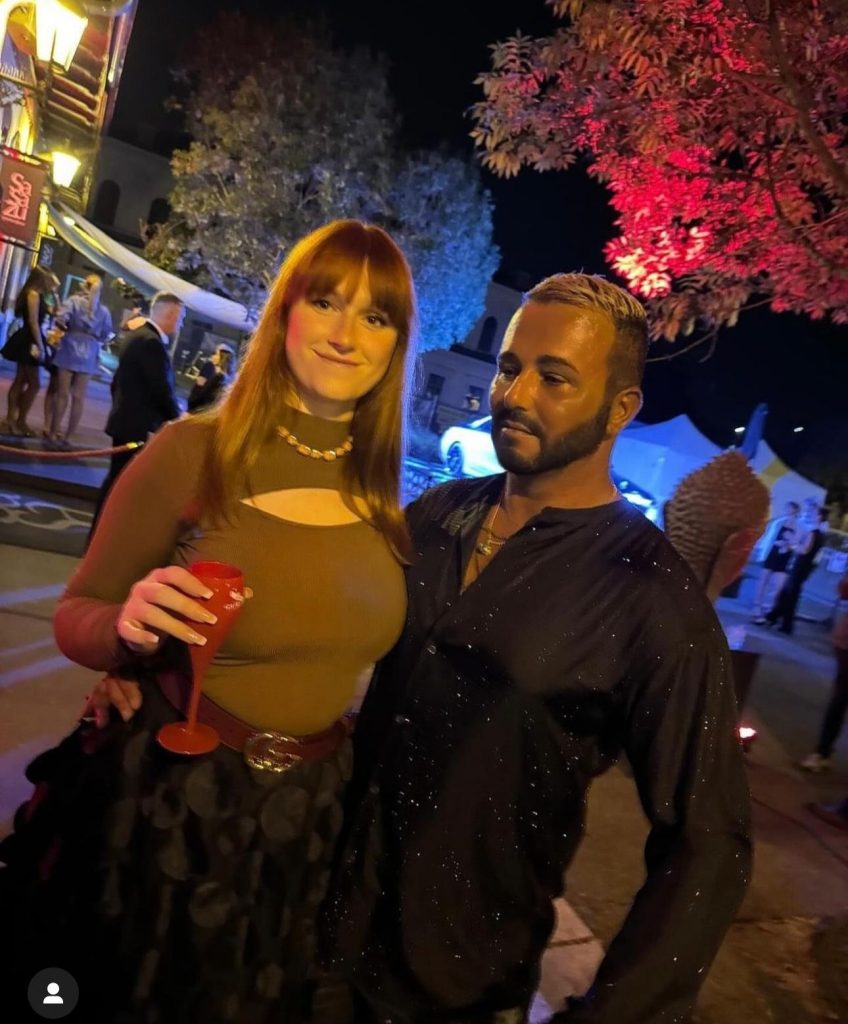
Daniel von Luxburg has swiftly become a key figure in the world of fine colored gemstone investment. Drawing on thorough expertise, a rich family history intertwined with European aristocracy, and a scientific approach, he is shaping both the perception and future of this captivating asset class.
Investors seeking alternatives to traditional markets and enthusiasts of luxury are discovering how Daniel von Luxburg is redefining an industry where geology meets legacy.
Shaping the world of colored gemstones
Colored gemstones—including rubies, sapphires, spinels, and tourmalines—have symbolized prestige for centuries. In recent years, these rare stones have attracted serious attention as alternative investments, drawing institutional interest across Europe and beyond. At the center stands Daniel von Luxburg, whose vision and rigorous methodology are opening new frontiers in this evolving market.
Unlike commoditized assets, colored gemstones offer a tangible connection to geological rarity. For those seeking diversification, this translates into potential stability during economic turbulence. The combination of beauty, portability, and scarcity makes gemstones especially appealing for modern wealth preservation strategies.
Scientific methodology and market structure
The evolution of colored gemstones into a recognized investment option is not built on romantic notions alone. Daniel von Luxburg applies scientifically grounded methods inspired by financial industry standards, fundamentally transforming how gemstones are valued and authenticated.
This rigor brings reliability to an industry previously marked by opaqueness. As colored gemstones gain momentum among those who value selectivity and data-driven insights, the Von Luxburg approach sets a benchmark for balancing tradition and innovation.
What defines a disciplined valuation strategy?
Examining origin and treatments
A gemstone’s journey—from its geological birth to its final configuration—directly impacts both desirability and price. By thoroughly researching each stone’s origin and testing for enhancements or treatments, true quality can be verified. This process protects investors and collectors alike from misleading claims, fostering greater trust in transactions.
Origin stories, such as Burmese rubies or Kashmir sapphires, add transparency and narrative depth to a fragmented marketplace. Clarifying provenance helps buyers find genuine pieces that maintain their worth over time.
Standardizing quality benchmarks
Creating a unified system for ranking hue, clarity, cut, and carat weight establishes common ground for evaluating valuable stones. Previously, regional grading differences caused confusion and inconsistent pricing. Now, with standardized criteria championed by Daniel von Luxburg, participants benefit from predictability and clear communication.
Implementing these benchmarks introduces a universal language accessible to institutions, private investors, and jewelry aficionados. Clear standards remove much of the ambiguity surrounding high-value gems.
Long-term trends and cyclical analysis
Beyond immediate fascination, colored gemstone prices follow larger cycles shaped by supply constraints, shifting fashion trends, and geopolitical factors. By analyzing historical data and recognizing market indicators, it becomes possible to anticipate periods of increased demand or scarcity-driven appreciation. This analytical process empowers informed, proactive decision-making.
Understanding these cycles and external influences supports a forward-looking approach, allowing all involved to make sound judgments based on more than just current sentiment.
A legacy deeply rooted in European history
While Daniel von Luxburg’s technical acumen advances the gemstone sector, his personal story adds another dimension to his influence. The von Luxburg lineage stretches back to alliances with pivotal figures in European history, most notably Éléonore Denuelle de la Plaigne, who was directly linked to Napoleon Bonaparte’s legacy through early nineteenth-century marriage ties.
This authentic inheritance of Franco-German culture provides context for understanding how Daniel interprets the intersection of tradition, refinement, and contemporary innovation within the luxury sphere. His work signals a revival of old-world values paired with a fresh, discerning vision.
- Methodical market assessment guided by financial principles
- Direct involvement in structuring industry-wide transparency
- Heritage stemming from historical European alliances
- A commitment to quality backed by scientific rigour
The modern role of gemstones in wealth management
Recent shifts in global finance reveal growing interest in portable, resilient stores of value unbound by conventional stock or bond markets. Colored gemstones now occupy a unique space at the crossroads of collectible art and strategic investment. With stewards like Daniel von Luxburg leading efforts to enhance market transparency, more investors recognize the appeal of tangible, culturally significant assets.
Opportunities abound for those who value security, distinction, and a direct tie to natural history. Through consistent advocacy and a belief in open access, Daniel von Luxburg expands opportunities so that a wider circle may engage in collecting, trading, or preserving colored gemstones for generations to come.
Expanding transparency and accessibility
As projects aimed at transparency progress, expectations rise for clearer documentation, better traceability, and higher ethical standards throughout gem supply chains. Initiatives led by independent experts foster collaborative networks that unite institutional players, private clients, and specialist dealers behind shared goals.
Increasing transparency reduces risks associated with counterfeiting and overvaluation, providing confidence to all participants and modernizing the broader sector’s reputation. Enhanced accessibility means new entry points for investors and connoisseurs eager to experience firsthand the enduring allure of colored gemstones.