


Donald Trump has publicly declared that the war in Iran is nearly over, signaling a pivotal moment in one of the Middle East’s most volatile conflicts. According to a recent interview on CBS, the former U.S. president asserted that the Iranian military’s capabilities have been significantly diminished. Key assets such as the navy, air force, and communication systems are reported to be heavily impacted, bringing the conflict well ahead of Trump’s initial projected timeline. This development carries substantial implications for US-Iran relations, regional stability, and the global energy market. The announcement also comes amidst ongoing peace talks and diplomatically sensitive exchanges involving major world leaders.
In brief:
- Donald Trump claims the War in Iran is “very complete, pretty much,” highlighting major destruction of Iranian military assets.
- According to Trump, Iran’s navy, air force, and communications have been effectively disabled.
- A phone call between Trump and Russian President Vladimir Putin addressed both the Iran conflict and the ongoing war in Ukraine.
- The conflict’s developments have affected energy markets and heightened tensions across the Middle East.
- This evolving situation has triggered international interest in negotiation pathways and economic repercussions.
Donald Trump’s Assessment of the Iran War Status and Its Economic Implications
Donald Trump’s recent declaration that the Iran war is nearly over hinges on the observation that Iran’s core military infrastructures are largely incapacitated. With the Iranian navy and air force reportedly crippled, alongside diminished missile and drone capabilities, the military conflict appears to be approaching its concluding phase much faster than anticipated. In 2026, such a rapid evolution challenges the traditional timelines of protracted conflicts, impacting market dynamics, especially oil prices and global supply chains sensitive to Middle Eastern stability.
For investors and traders, understanding the shifting tides of this conflict offers both risks and opportunities. The destruction of Iranian military assets contributes to a temporary stabilization of certain logistics routes, yet the region remains volatile. The geopolitical consequences are palpable, affecting not only regional but worldwide economic conditions, from energy prices to international trade flows. For those engaging in trading, monitoring these developments is critical to managing the risk-reward ratio effectively and adapting to fluctuating market sentiments. To deepen insight into strategic trading approaches considering geopolitical factors, see risk-reward ratio trading.
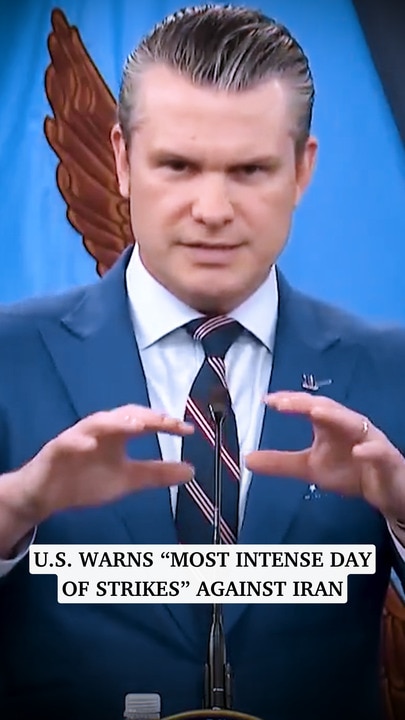
Dialogue Between Global Powers: Trump and Putin Discuss Iran and Ukraine Conflicts
In a significant diplomatic exchange, Donald Trump and Russian President Vladimir Putin held a frank and constructive phone conversation addressing both the Iran conflict and the war in Ukraine. According to Kremlin sources, the discussion emphasized ongoing bilateral negotiations and the broader geopolitical stakes involving these crises.
This interaction underlines how interconnected military conflicts influence international alliances and economic policies. Particularly, the Iran war’s fallout reverberates through US-Russia relations and shapes negotiation frameworks concerning the war in Ukraine. Traders should consider these geopolitical dynamics which can cause sudden market shifts, as seen recently in sectors sensitive to energy prices and regional security. The interplay between these global events remains a critical lens through which to analyze current trading environments. More details on these negotiations and their market impact can be explored at Kremlin Ukraine leverage.
Market and Energy Concerns Amid the Declared Near-End of the Iran War
The declaration of the war’s near end does not imply an immediate return to stability. Rather, it signals a phase of transition where regional tensions remain high and energy markets continue to experience fluctuations. Iran’s strategic location and its role as a major oil supplier mean that any conflict or resolution directly influences global oil prices and supply security. The consequences for worldwide economic stability are substantial.
Investors tracking commodity markets, particularly energy, must remain vigilant as geopolitical developments unfold. The fluctuating oil prices triggered by the conflict underscore the necessity for diversified portfolios that can withstand exogenous shocks. Analyzing these patterns alongside political developments aids in forecasting market movements and optimizing trading decisions.