

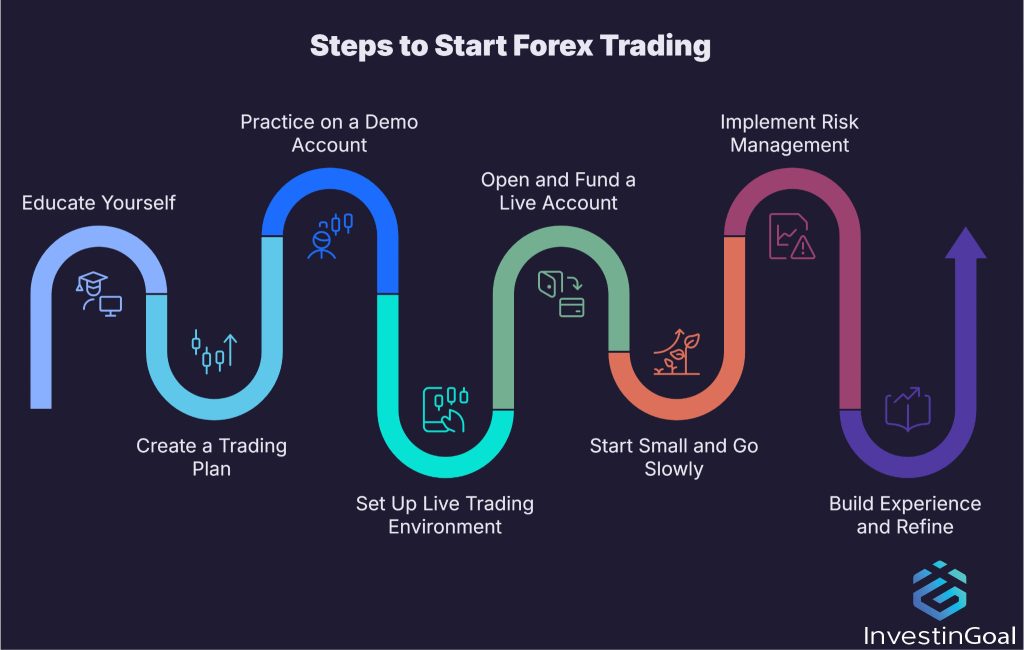
Forex trading apps have revolutionized access to the world’s most liquid market—currency exchange—allowing individual investors to participate in foreign exchange trading from anywhere via their smartphones. This surge in accessibility comes with both opportunity and risk. The market’s 24/7 operation, driven by global economic signals, central bank decisions, and geopolitical tensions, means forex is volatile and fast-moving. To navigate this complex environment, traders must understand how these apps function, the essential features to seek out, and the pitfalls to avoid, particularly regarding regulation, fees, interface quality, and educational support.
Key points in brief:
- Regulation is the essential benchmark for app reliability and investor protection.
- Market risk is high due to leverage and volatility; understanding this is critical.
- App ergonomics influence trading speed and accuracy on this real-time platform.
- Fees and commissions vary widely and impact overall profitability.
- Educational tools within apps can significantly enhance trading strategy and understanding.
Understanding Forex Trading Apps in the Dynamic Currency Exchange Market
The foreign exchange market, or forex, is the arena where currencies like the euro, US dollar, and Japanese yen are continuously bought and sold. With daily transaction volumes nearing 7,500 billion dollars, it outpaces all other financial markets in liquidity and global reach. Historically reserved for financial institutions, today’s trading apps democratize forex access, enabling individual investors to engage with real-time data, execute trades, and manage investments directly from their mobile devices.
Nevertheless, this ease of access hides complexity. The value fluctuations result from multifaceted factors—central bank policies, economic reports, and geopolitical shifts—which require sophisticated yet user-friendly platforms to analyze. Selecting the right forex app becomes a strategic decision where regulation status, supported markets, transparence on fees, and interface design must be carefully evaluated to mitigate inherent market risks effectively.
The Critical Importance of Regulation for Safe Forex Trading
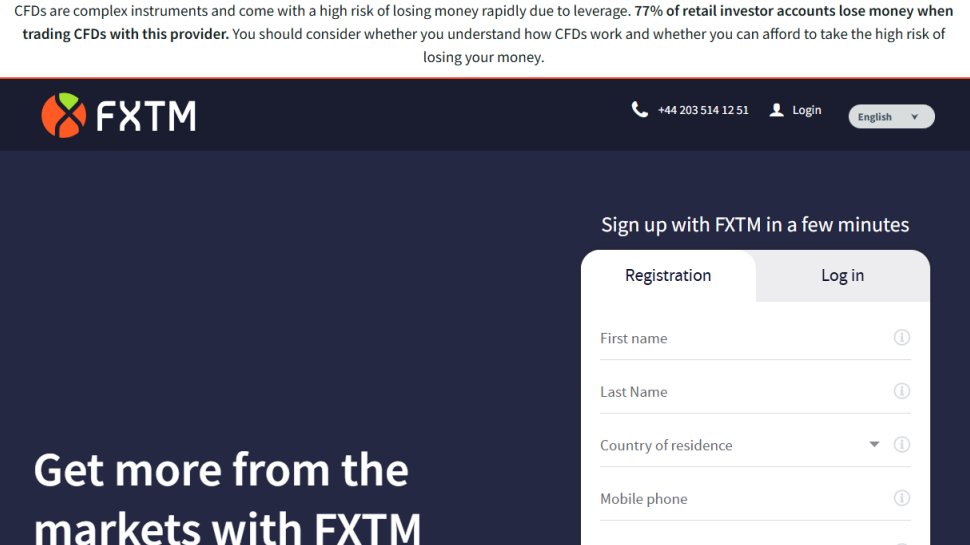
On a market as risky and attractive as forex, regulation forms the cornerstone of a trustworthy trading app. Investors should prioritize platforms that are licensed by recognized authorities such as the AMF in France, CySEC in Cyprus, or BaFin in Germany. These bodies enforce strict rules on fund segregation—keeping client funds separate from broker assets—and demand transparency to protect traders from malpractices.
Verifying a platform’s regulatory approval is straightforward but vital. Official registers like the AMF’s or the European ESMA database confirm authenticity. Missing from these lists is a red flag that should dissuade any engagement. This due diligence step complements the strategic selection process, ensuring the platform’s compliance and the security of your investment capital.
Why Ergonomics Matter: Speed and Clarity in Real-Time Trading
The forex market’s continuous, rapid movements allow no room for delay or confusion. A trading platform’s usability directly impacts a trader’s ability to respond swiftly to market changes. For newcomers, an intuitive interface with uncluttered charts and easy order execution is indispensable. Complex dashboards overloaded with technical indicators might overwhelm beginners and increase the likelihood of execution errors.
The availability of a demo account is an invaluable feature. It offers risk-free exposure to the app’s interface and functionalities, allowing users to test their trading strategies without financial exposure. If navigating the demo reveals usability issues, it strongly suggests reconsidering that platform before committing real funds.
Fees and Commissions: Unveiling the Hidden Costs of Currency Trading Platforms
Though many forex apps advertise free downloads, trading costs are embedded within the operations. The spread, the difference between buy and sell prices, typically represents the largest expense. This hidden fee varies substantially between brokers and directly influences net returns.
Additional charges may include explicit commissions per trade, overnight financing fees (known as swaps), and currency conversion fees when trading pairs outside the eurozone. Assessing these fees transparently requires consulting detailed pricing schedules rather than superficial promotional materials.
Understanding these costs is fundamental to shaping a robust trading strategy that preserves capital and maximizes potential gains over the long term. Exercising prudence here supports better risk management and financial planning in the forex market.
The Added Value of Educational Resources on Forex Apps
Forex trading is influenced by layered economic and political complexities, making education a key enabler for success. Trading apps that incorporate comprehensive learning resources—such as webinars, real-time market analyses, tutorial videos, and insightful articles—empower traders to build informed strategies rather than act on impulse.
Availability of instructional materials alongside functional tools helps bridge the gap between novices and more seasoned traders, facilitating a gradual mastery of the forex market’s dynamics and risk factors. This educational component is an often underestimated but decisive factor in choosing a forex platform.
Well-designed forex apps do not merely provide market access; they nurture trader competence and confidence, ultimately improving strategic decision-making.
For investors seeking the right platform, insights into both app usability and a clear understanding of forex trading costs can be found through expert reviews on best beginner trading platforms. Additionally, cultivating mental resilience and focus remains critical amid market volatility, as detailed in practical exercises available on specialized trading resources.